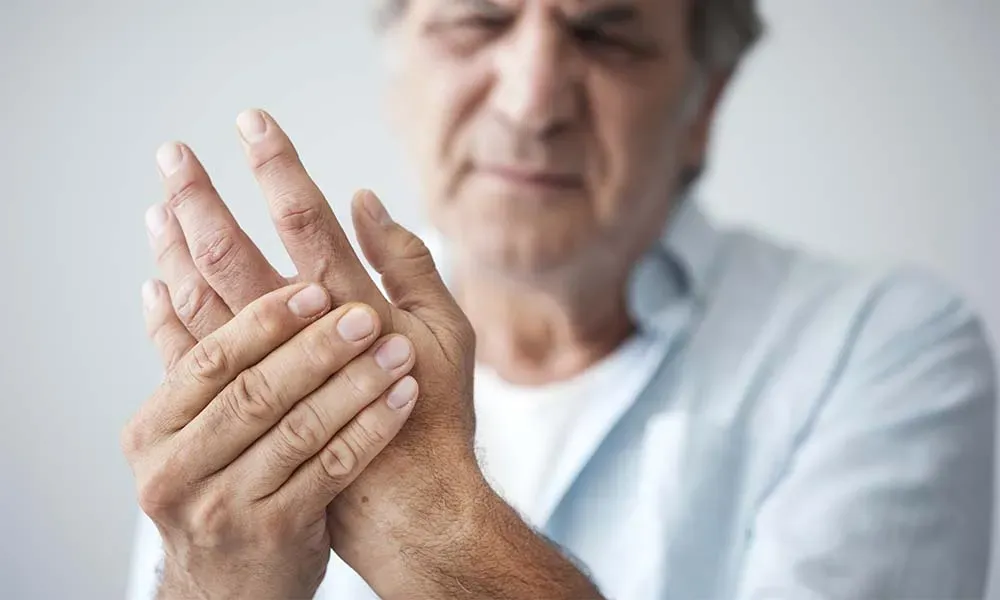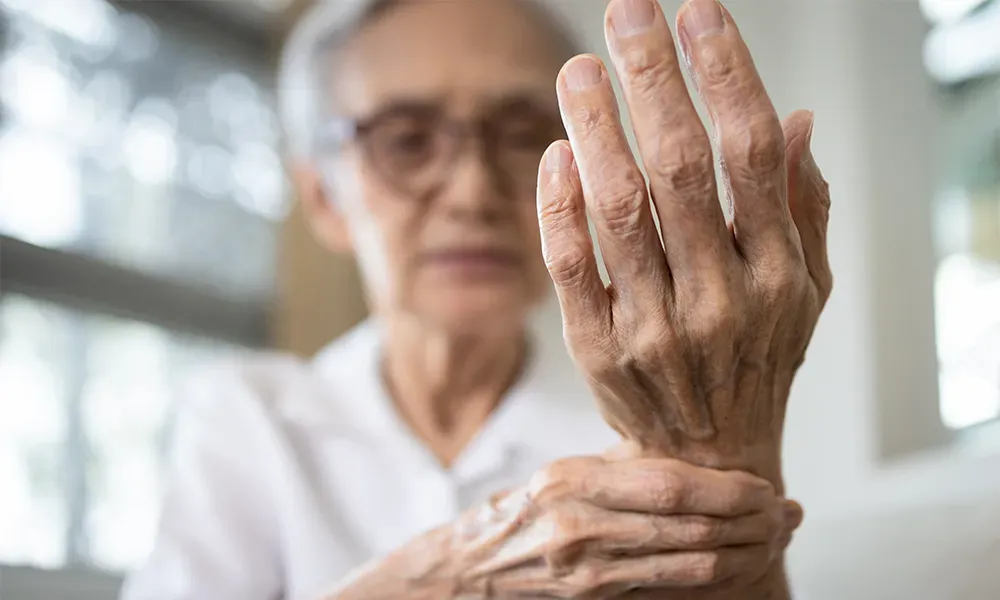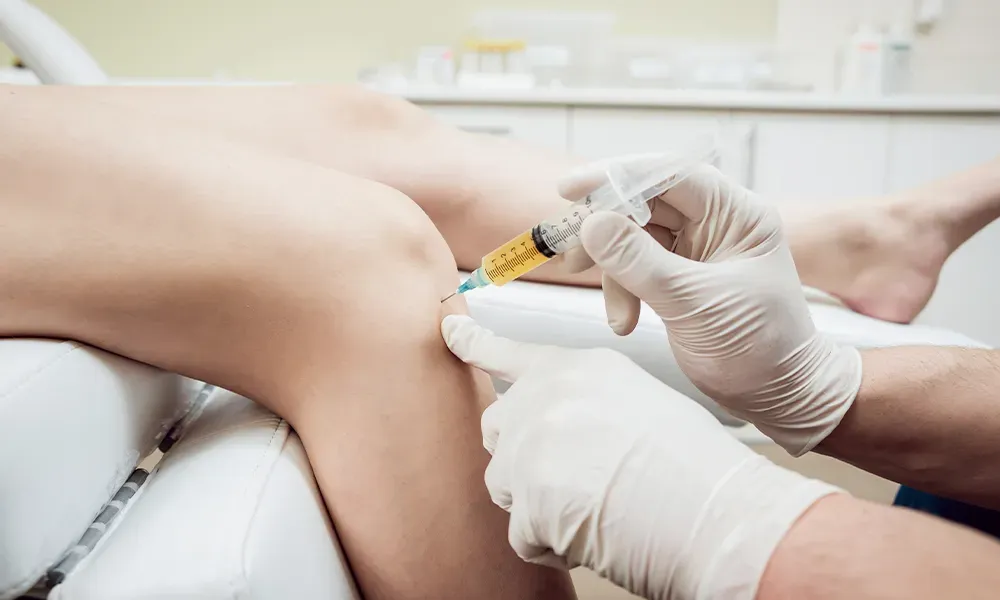
Joint pain can make everyday movements such as standing, walking, reaching, and gripping uncomfortable. At Interventional Pain Center in Worthington and Newark, Ohio, Sachida Manocha, MD, provides joint injections for painful joints throughout the body, including the feet. These minimally invasive treatments reduce inflammation and provide targeted pain relief. Call Interventional Pain Center or schedule an appointment online today to learn whether a joint injection may help.
Joint Injections Q & A
What are joint injections?
A joint injection delivers medication directly into or around a painful joint. They can help with:
- Arthritis
- Back pain
- Inflammation
- Knee pain
- Neck pain
- Injuries
- Failed back surgery syndrome
- Failed knee surgery
Corticosteroid medication reduces inflammation, eases pain, and improves movement. Injections may also contain a local anesthetic that provides more immediate, short-term numbing while the steroid begins taking effect.
Because medication goes directly to the affected area, joint injections provide targeted treatment without the need for surgery.
Dr. Manocha considers the cause and location of the pain, previous treatments, medical history, and other factors when determining whether an injection is appropriate.
Which joints can injections treat?
Joint injections treat pain in large and small joints throughout the body. Depending on the underlying condition, treatment may involve the following:
- Shoulders
- Elbows
- Wrists and hands
- Hips
- Knees
- Ankles
- Feet and toes
Even small joints in the feet can receive injections when clinically appropriate.
What happens during a joint injection?
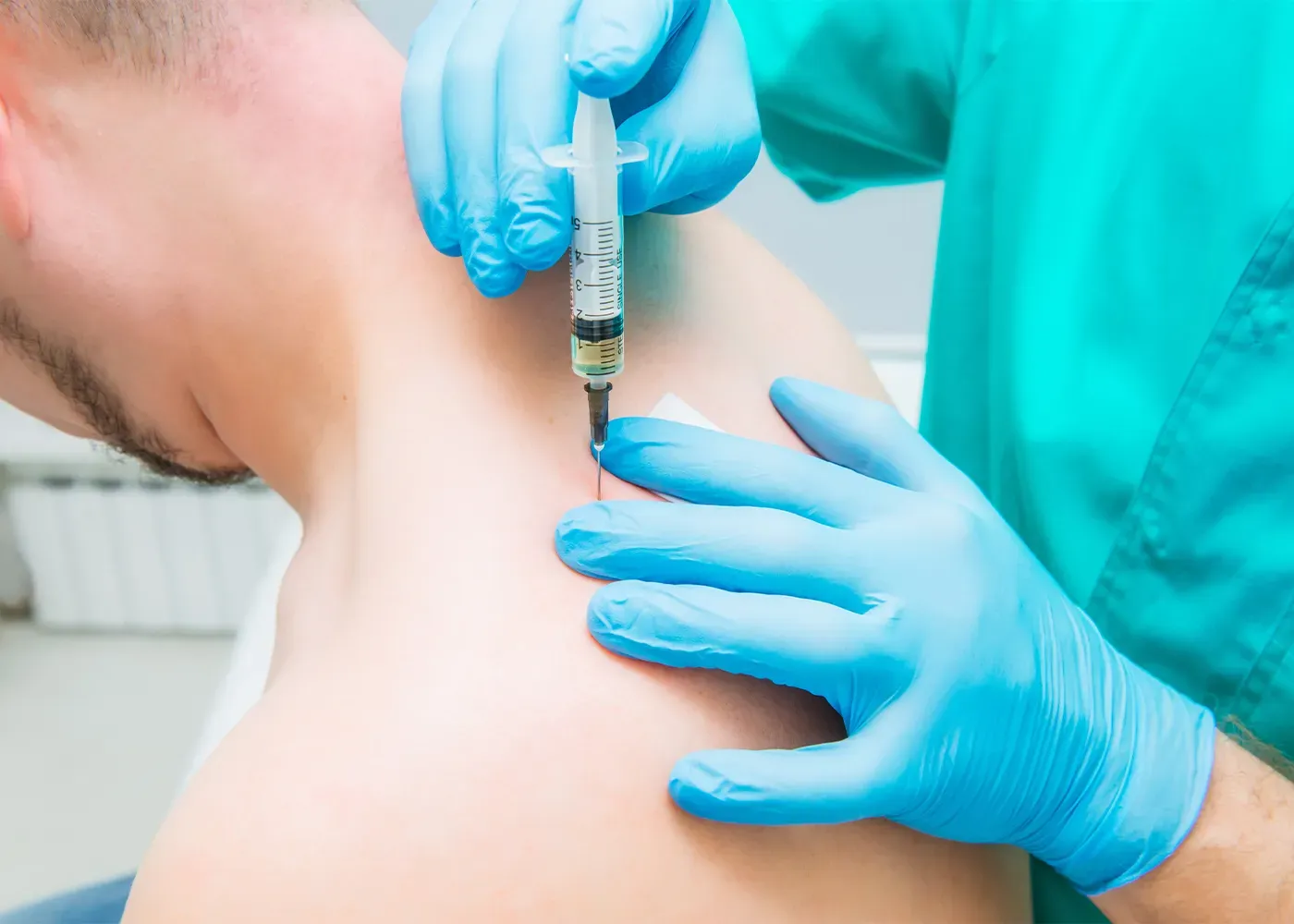
Dr. Manocha identifies the painful joint, cleans the skin, and carefully places a needle in the treatment area.
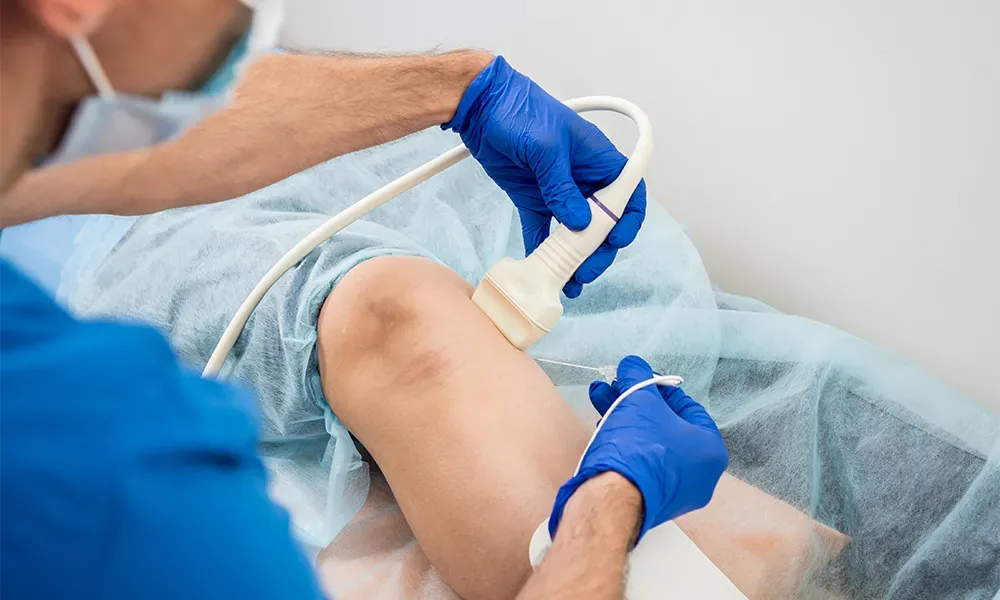
Some injections require imaging guidance to position the needle accurately, especially for deeper or hard-to-reach joints. Imaging techniques such as fluoroscopy allow Dr. Manocha to visualize the joint and guide needle placement in real time.
The procedure is usually brief. You may feel pressure or temporary discomfort as the needle enters your joint and the medication goes into your tissues.
When should I expect results from joint injections?
Response varies by joint condition, medication, and individual patient. A local anesthetic typically provides relief soon after the procedure, while a corticosteroid can take longer to reduce inflammation.
Joint injections generally provide temporary, not permanent, pain relief, and the duration of benefit varies considerably.
The treated area may feel sore for a short period afterward. Dr. Manocha provides activity instructions and any post-procedure precautions.
Can joint injections be repeated?
Some patients benefit from additional injections if their pain returns. However, corticosteroid injections aren’t generally repeatable without limits.
Frequent injections can increase the risk of side effects and may affect joint tissues, so Dr. Manocha considers previous injections and the joint’s condition before recommending further treatment.
Joint injections form one part of a broader pain management plan. To find out whether an injection could help manage your persistent joint pain, schedule a consultation with Dr. Manocha by phone or request one online today.