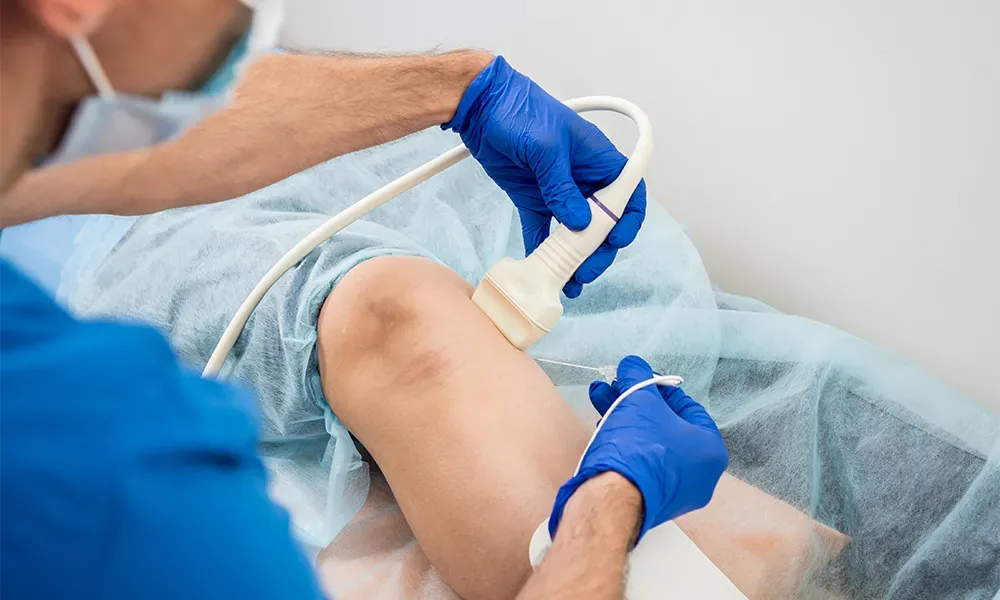
Severe chronic pain sometimes continues despite medications, injections, and other treatments. At Interventional Pain Center in Worthington and Newark, Ohio, Sachida Manocha, MD, offers intrathecal pain pumps for selected patients who need long-term pain control. These implanted devices deliver medication directly to the fluid surrounding the spinal cord, offering controllable, long-term relief. Call Interventional Pain Center or schedule an appointment online today to learn more about intrathecal pain pumps.
Intrathecal Pain Pump Q & A
What is an intrathecal pain pump?
An intrathecal pain pump is a small, programmable device that delivers medication directly into the intrathecal space. This contains the cerebrospinal fluid surrounding the spinal cord and nerve roots.
The system includes a pump containing medication and a thin catheter that delivers it to the spinal fluid. Because the medication acts directly on pain pathways within the spinal cord, much smaller doses provide relief compared with medication taken by mouth or given intravenously.
This targeted delivery can also reduce the amount of medication circulating throughout the body.
Who might benefit from an intrathecal pain pump?
Intrathecal therapy is generally reserved for severe, persistent pain that hasn’t responded adequately to less invasive treatments. Dr. Manocha may consider it for certain patients with:
- Chronic back or neck pain
- Persistent postsurgical pain
- Pelvic or abdominal pain
- Limb pain
- Complex regional pain syndrome (CRPS)
- Nerve-related pain
Dr. Manocha reviews your diagnosis, previous treatments, current medications, overall health, and the nature of your pain before determining whether an implanted pump may be appropriate.
What medications can an intrathecal pump deliver?
The medication Dr. Manocha prescribes depends on your condition and the specific pump system. Morphine is one medication approved for intrathecal treatment of chronic pain, while ziconotide is an FDA-approved nonopioid option for severe chronic pain.
Other medications may also be used in appropriate circumstances. Dr. Manocha determines the drug, dose, and delivery schedule based on the individual clinical situation.
How is an intrathecal pain pump implanted?
Dr. Manocha surgically implants the intrathecal pain pump beneath your skin, usually in the abdomen. A catheter runs beneath the skin from the pump to the intrathecal space near the spinal cord.
You can program the pump to release precise amounts of medication continuously or on a specific schedule.
Patients typically undergo an intrathecal medication trial before permanent implantation to determine whether targeted drug delivery provides sufficient benefit.
Does an intrathecal pump require maintenance?
Regular maintenance is vital to ensure you receive the correct dose of medication. The medication reservoir also needs periodic refills, typically every 1 to 3 months, depending on the medication, dose, and pump. Refilling involves inserting a needle through the skin into the pump’s refill port.
To find out whether an intrathecal pain pump could help manage your severe chronic pain, call Interventional Pain Center or book an appointment by completing the online booking feature today.