Steps to Prevent Failed Back Surgery Syndrome
Nov 12, 2026
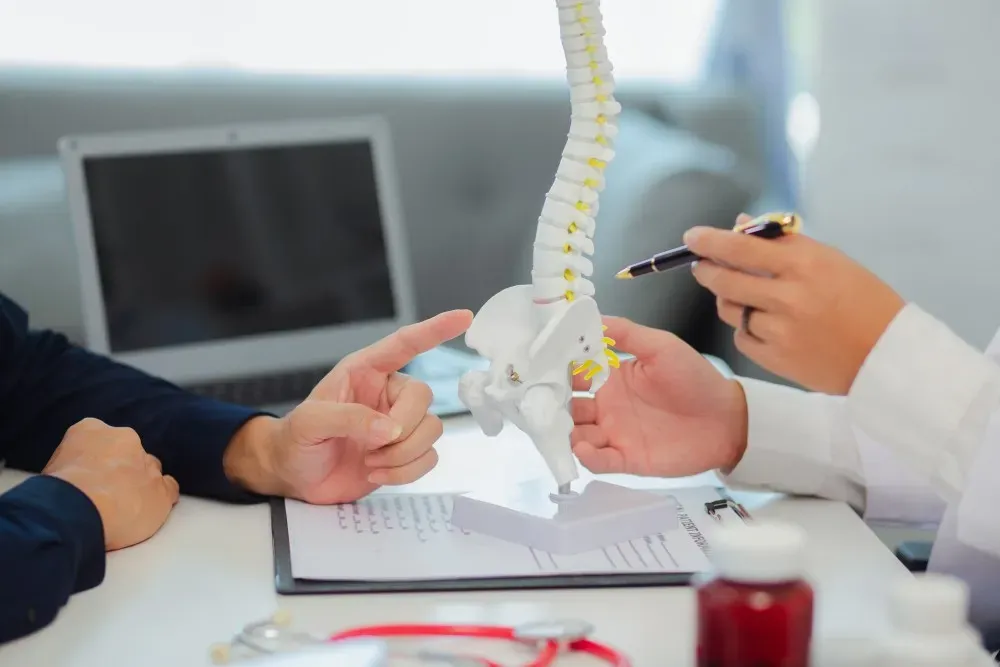
Back surgery is a major decision, and the fear of it not working is very real. Many people considering their options worry about developing a condition called failed back surgery syndrome (FBSS).
Interventional Pain Center helps patients in Worthington and Newark, Ohio, find lasting relief from chronic back pain. Led by Sachida Manocha, MD, our team specializes in identifying the root cause of your discomfort and offering the most effective solutions.
According to the Journal of Pain Research, FBSS is lumbar pain of unknown origin that persists or appears after spinal surgery. This condition is highly complex. It often stems from unpreventable biological factors like scar tissue, rather than surgical mistakes.
While no one can guarantee a perfect outcome, you can take steps to minimize your risks. Here’s what you should know.
Dr. Manocha carefully evaluates your condition to determine whether a less invasive decompression surgery may be a safer option than a spinal fusion.
A 2026 study of 22,866 US adults aged 60 to 69 with degenerative lumbar disease evaluated these risks. Those who received decompression combined with fusion had a 2.16% 30-day mortality rate. In contrast, those who had decompression alone had a 0.43% mortality rate.
Fusion permanently welds vertebrae together, which causes more physical stress than simple decompression. At our practice, we prioritize conservative, non-surgical treatments first.
If you already had surgery and still experience pain, we also offer more advanced options like spinal cord stimulation to help manage it.
Carrying excess body weight can significantly hinder how your spinal bones heal after surgery.
A study in the Journal of Orthopaedic Surgery and Research evaluating patients undergoing lumbar spinal fusion found those with obesity were twice as likely to experience bone nonunion compared to non-obese patients.
Excess weight puts mechanical stress on surgical hardware, while chronic inflammation can slow down new bone growth. Dr. Manocha works closely with you to optimize your health before recommending any invasive procedures. We focus on personalized care plans that address your unique risk factors.
Your recovery timeline depends entirely on the specific type of back surgery you receive and varies from patient to patient.
In most cases, patients can start formal exercises four to six weeks after a decompression. However, those recovering from a fusion may need to wait two to three months before starting formal rehabilitation.
Starting intense physical therapy too early after a fusion can damage the healing bone graft and hardware. Our team guides you through every step of your recovery, ensuring you do not rush your rehabilitation. If post-surgical pain persists, we can discuss targeted therapies like an intrathecal pain pump to restore your quality of life.
If you are struggling with persistent pain after back surgery, you do not have to manage it alone. To explore your non-surgical relief options, contact our team at Interventional Pain Center today to schedule a consultation.