5 Reasons to Consider Spinal Cord Stimulation
Sep 12, 2026
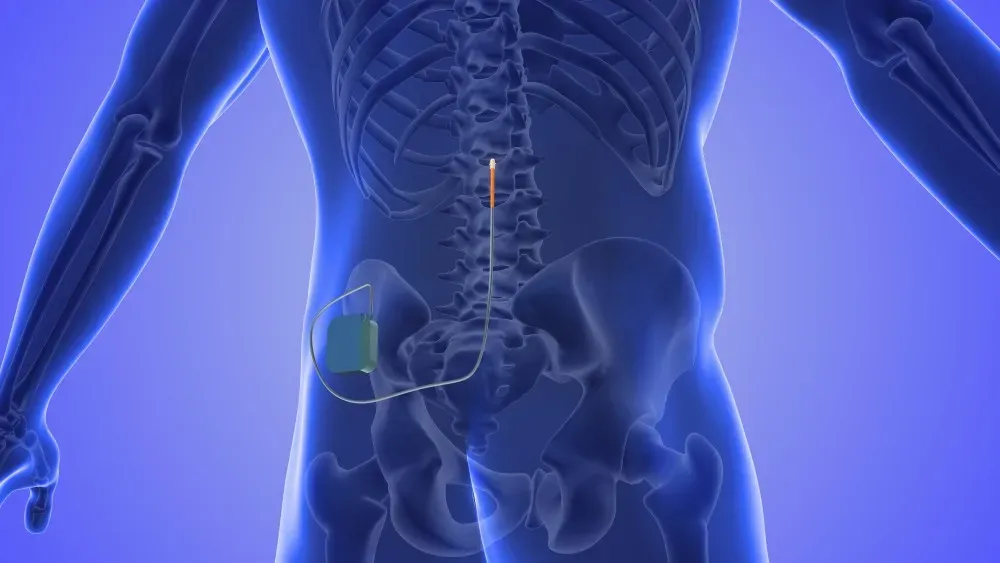
Living with intractable chronic pain can make simple daily activities feel overwhelming. When conservative measures like physical therapy, oral medications, or epidural injections no longer provide adequate relief, many individuals assume they have run out of options. However, advanced neuromodulation technology offers a highly effective pathway to reclaim your mobility and quality of life without relying on invasive corrective surgery or long-term prescription opioids.
At Interventional Pain Center, our specialized team provides comprehensive pain management designed to address the root mechanisms of nerve-related discomfort. Spinal Cord Stimulation (SCS) is an FDA-approved, highly targeted therapy that interrupts pain signals before they reach the brain, making it a leading solution for complex chronic pain conditions.
A spinal cord stimulator is an implantable medical device that delivers mild electrical impulses directly to the dorsal column of the spinal cord. Thin insulated wires, known as leads, are placed in the epidural space near the nerves responsible for sending pain messages.
These gentle electrical pulses modify or disrupt the pain signals traveling up the spinal cord. Instead of perceiving sharp, burning, or throbbing pain, the brain receives a pleasant tingling sensation (paresthesia) or, with modern high-frequency stimulation, no sensation at all—just significant pain relief.
Neuromodulation technology has evolved rapidly, offering distinct clinical advantages for patients dealing with persistent nerve and back pain:
Spinal cord stimulation is ideal for individuals who have experienced persistent nerve-related pain for six months or longer and have not found adequate relief through conservative non-surgical treatments.
At Interventional Pain Center, our expert physicians perform thorough diagnostic evaluations to ensure SCS aligns with your specific health goals and pain profile. By treating conditions like diabetic neuropathy, persistent sciatica, and post-surgical back pain, we help you reduce physical discomfort and rebuild your active lifestyle.
You do not have to let persistent nerve pain dictate your daily activities. If you are ready to explore advanced, drug-free pain relief options, the dedicated team at Interventional Pain Center is here to guide you. Call our office today or schedule your evaluation online to discover if spinal cord stimulation is right for you.